Physical Address
304 North Cardinal St.
Dorchester Center, MA 02124
Physical Address
304 North Cardinal St.
Dorchester Center, MA 02124

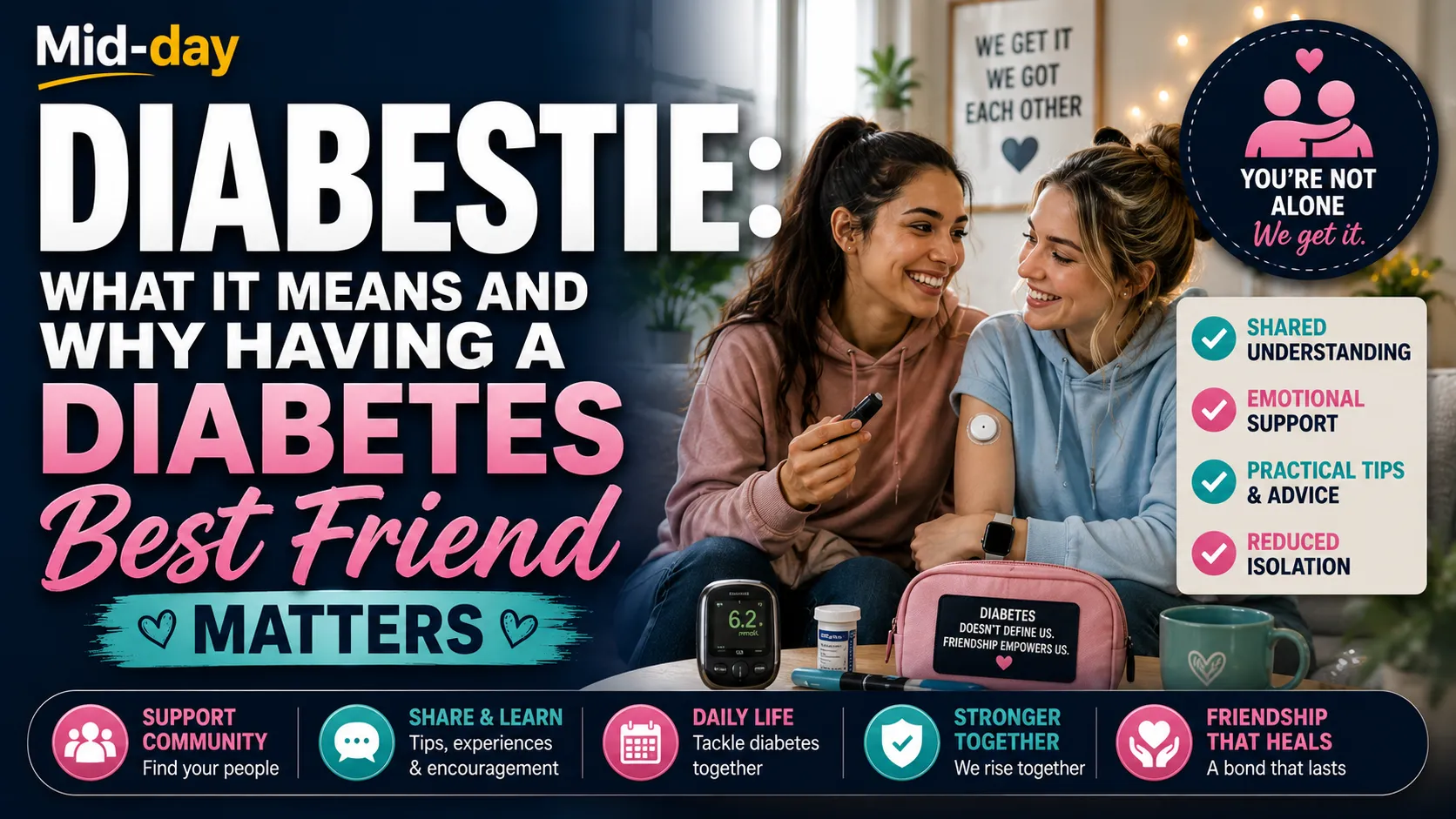
If you or someone you love lives with diabetes, you have probably heard the term “diabestie” floating around in online communities, social media, and diabetes support groups. But what exactly does it mean, and why has it become such an important part of diabetes culture?
This guide explains everything you need to know about diabesties. Whether you are newly diagnosed, a long-term diabetes warrior, or a caregiver looking to understand the community better, you will find practical insights and honest advice throughout.
A diabestie is a best friend who also has diabetes. The word is a blend of “diabetes” and “bestie” (short for best friend). It describes a friendship built on shared experience, mutual understanding, and the unique bond that comes from managing a chronic condition together.
The term has become widely used in diabetes communities, particularly among people with Type 1 diabetes. It reflects the deep connection that forms when two people truly understand what the other is going through. As one diabetes community member put it, a diabestie is someone who “understands your experiences living with the chronic condition”.
The concept of diabesties has been around informally for years, but the term gained prominence through social media and diabetes advocacy. Jazz Sethi, who was diagnosed with Type 1 diabetes at age 13, started a movement called “D1iabesties” (Diabesties) in 2018. The movement aimed to create a support system, lifestyle guide, and counselling network for people with diabetes and their families.
The term also appears in diabetes slang glossaries, where it is defined as “diabetic friends” or “what you call one of your best friends who also has diabetes”.
Living with diabetes can be isolating. The condition requires constant attention, with no days off. As two UK diabesties, Ellen Watson and Beth McDaniel, explained: “It’s a 24/7 job, seven days a week, 365 days a year, with no annual leave”.
Having someone who truly understands this reality can make a world of difference. Here is why a diabestie matters.
People without diabetes often struggle to grasp the daily reality of managing blood sugar, counting carbohydrates, and dealing with the physical and emotional toll of the condition. A diabestie gets it without explanation. They know what it feels like to have a low blood sugar in the middle of the night, to feel frustrated by unpredictable numbers, or to face judgment from others who do not understand.
Diabetes is not just a physical condition; it takes a significant toll on mental health. The constant vigilance, the fear of complications, and the feeling of being different can be overwhelming. A diabestie offers a safe space to share these feelings without judgment. As Ellen Watson said about her diabestie Beth McDaniel: “We can help each other with any questions we might have and offer each other a shoulder to cry on when it all becomes a little too much”.
A diabestie who has been managing diabetes longer than you can offer valuable wisdom. They might know a better way to insert a continuous glucose monitor, have tips for managing blood sugar during exercise, or recommend a diabetes-friendly recipe. Conversely, helping a newly diagnosed friend can reinforce your own knowledge and give you a sense of purpose.
Connecting with others who share your experience can significantly reduce feelings of isolation. The Diabesties Foundation, for example, aims to make people with Type 1 diabetes “feel heard, understood, loved, supported and celebrated”. This sense of belonging is crucial for emotional wellbeing.
Not all diabestie relationships look the same. There are different ways this friendship can take shape.
This is someone who has lived with diabetes longer than you have. They have been through the challenges you are currently facing and can offer guidance based on experience. They are someone you look up to and can go to for wisdom.
This is someone diagnosed around the same time as you or who is at a similar stage in their diabetes journey. You learn and grow together, sharing the ups and downs in real time.
This is someone who is newer to diabetes than you are. Helping them navigate the early days can be rewarding and can remind you of how far you have come.
Finding a diabestie takes effort, but the rewards are worth it. Here are practical ways to connect with others who share your experience.
Diabetes UK runs over 350 local support groups across the UK, all run by volunteers. These groups offer peer support, information, and education for people living with diabetes, as well as their family and friends. Attending a local group is one of the best ways to meet other people with diabetes in your area.
Social media has made it easier than ever to find diabesties. Platforms like TikTok, Instagram, and Facebook host vibrant diabetes communities. The “Diabetic Duo,” Ellen Watson and Beth McDaniel, built a following of over 30,000 on TikTok by sharing their experiences. Online communities offer a way to connect with people from all over the world who share your condition.
For young people aged 11 to 25 living with Type 1 diabetes, Diabetes UK runs the Together Type 1 programme. This peer-support and empowerment programme helps young people make new friends, develop skills, and build confidence. It is funded by the Steve Morgan Foundation and delivered by Diabetes UK.
Look for diabetes events in your area. These might include World Diabetes Day events, charity walks, or educational workshops. In Northern Ireland, for example, Ellen Watson and Beth McDaniel hosted a special “Diabestie” night out with sugar-free cocktails and information from medical professionals.
Diabetes UK runs an online forum where you can exchange knowledge and experiences with other people with diabetes, family members, and carers. This is a great place to ask questions and connect with others.
The Diabesties Foundation is a not-for-profit organisation dedicated to serving the diabetes community. It was founded by Jazz Sethi, who was diagnosed with Type 1 diabetes at age 13.
The foundation aims to make people with Type 1 diabetes “feel heard, understood, loved, supported and celebrated”. It runs several programmes, including:
DiaMeets: Fun and supportive gatherings for people living with Type 1 diabetes and their caregivers. These events provide a space to connect, share stories, learn, and check blood sugars together with others who understand the journey.
Project Mishti: A pledge that no child should die or suffer complications due to lack of insulin. The foundation raises funds to assist children from disadvantaged backgrounds by providing access to free insulin and essential supplies.
Peer counselling: The foundation offers end-to-end peer counselling with the support of Certified Diabetes Educators.
UNW1ND: An initiative addressing the connection between Type 1 diabetes and mental health.
While the foundation is based in India, its work and the concept of diabesties have inspired similar communities worldwide, including in the UK.
There are also mobile applications that use the name Diabestie. One such app, Diabestie.id, is a telemedicine service that provides online health consultations focusing on diabetes. It allows patients to record blood sugar data and medication use, and consult with diabetes experts.
Research has shown that using such applications can be effective. One study found that the Diabestie.id app had effectiveness in improving quality of life and lowering blood sugar levels in diabetes patients. Another study showed that the app’s diet feature helped patients control their daily carbohydrate intake.
While these apps are not yet widely available in the UK, they represent the growing trend of using technology to support diabetes management and community building.
“You need a diabestie who has the same type of diabetes as you.” While sharing the same type can be helpful, the most important thing is shared understanding. A person with Type 2 diabetes and a person with Type 1 diabetes can still be wonderful diabesties.
“A diabestie has to be your best friend.” Not necessarily. A diabestie can be a close friend, but it can also be someone you connect with primarily through your diabetes experience. The relationship can be as deep or as casual as you need it to be.
“You can only have one diabestie.” You can have multiple diabesties. Different friends may offer different types of support.
“Finding a diabestie is easy.” It takes effort. Like any friendship, building a diabestie relationship requires time, vulnerability, and mutual investment.
The value of peer support in diabetes management is well recognised by healthcare professionals. Diabetes UK, the UK’s leading diabetes charity, actively promotes peer support through its local groups, online forum, and Together Type 1 programme. The charity champions the rights of people with diabetes and ensures they get the standards of healthcare they deserve.
Research supports the benefits of peer support. A qualitative study on the “Back to Basics-Diabesties” sessions found that they enhanced diabetes knowledge, confidence, self-management abilities, and increased the sense of community and peer support. The NHS also recommends getting support from other people with Type 1 diabetes, either at a local support group or online.
If you are newly diagnosed:
If you are looking for a diabestie:
If you already have a diabestie:
For friends and family without diabetes:
A diabestie is more than just a friend with diabetes. They are someone who truly understands the highs and lows of life with this condition. They offer emotional support, practical advice, and a sense of belonging that can be life-changing.
Whether you find your diabestie through a local support group, an online community, or a diabetes event, the connection you build can make managing diabetes feel less lonely. In a world where diabetes never takes a day off, having someone by your side who truly gets it is invaluable.
If you do not have a diabestie yet, take the first step. Reach out to a support group, join an online forum, or simply start a conversation with another person with diabetes. You might just find your diabestie.
What does diabestie mean?
A diabestie is a best friend who also has diabetes. The word combines “diabetes” and “bestie”.
Where did the term diabestie come from?
The term gained prominence through diabetes communities and social media. Jazz Sethi started a movement called “D1iabesties” in 2018 to create a support system for people with diabetes.
Is diabestie only for Type 1 diabetes?
No. While the term is often used in Type 1 diabetes communities, anyone with any type of diabetes can have a diabestie.
How can I find a diabestie in the UK?
You can join a Diabetes UK local support group, attend diabetes events, join the Diabetes UK online forum, or connect through social media.
What is the Diabesties Foundation?
The Diabesties Foundation is a not-for-profit organisation that supports people with Type 1 diabetes through community events, peer counselling, and advocacy.
Is there a diabestie app?
Yes. Diabestie.id is a telemedicine app that helps people with diabetes track blood sugar, record medication use, and consult with diabetes experts.
Why is having a diabestie helpful?
A diabestie offers shared understanding, emotional support, practical advice, and reduces feelings of isolation.
Can I have more than one diabestie?
Yes. You can have multiple diabesties who offer different types of support.
Does the NHS recommend peer support for diabetes?
Yes. The NHS recommends getting support from other people with diabetes, either at a local support group or online.
What if I do not know anyone with diabetes?
You can find community through Diabetes UK support groups, online forums, and social media. Many people find their diabesties online before meeting in person.
Read More: Anima: Meaning, Jungian Psychology, and NHS Platform Guide





[…] Read More: Diabestie: What It Means and Why Diabetes Friends Matter […]
[…] Read More: Diabestie: What It Means and Why Diabetes Friends Matter […]