Physical Address
304 North Cardinal St.
Dorchester Center, MA 02124
Physical Address
304 North Cardinal St.
Dorchester Center, MA 02124

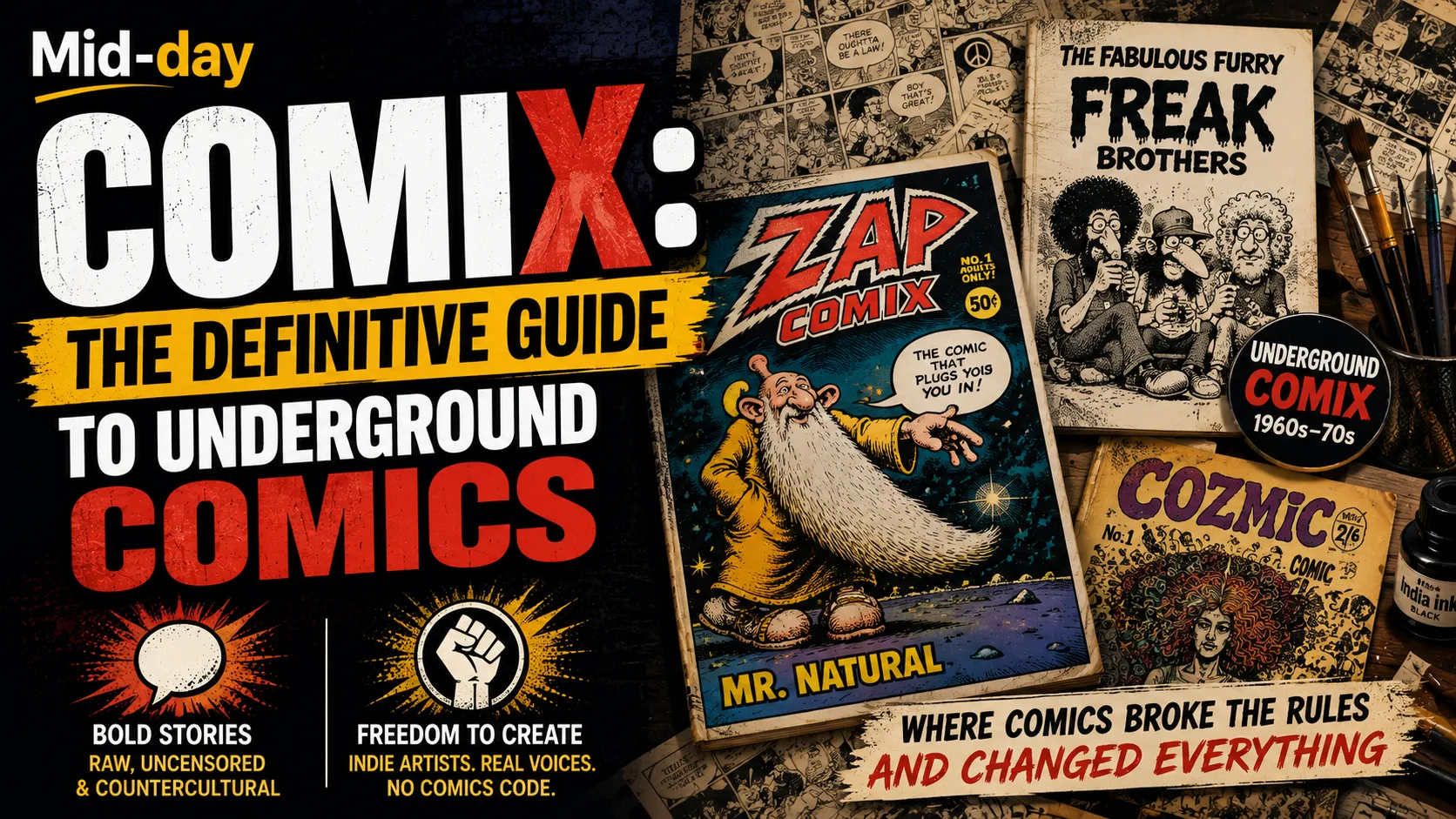
If you have ever picked up a comic book and wondered why some are called “comix” with an X, you are not alone. The term appears across bookstore shelves, online marketplaces, and academic discussions, yet its meaning often remains unclear to casual readers.
Comix are not simply comics with a quirky spelling. They represent a distinct movement in the history of sequential art, one that challenged mainstream conventions, pushed creative boundaries, and gave voice to countercultural perspectives. Understanding comix means understanding a pivotal moment when comic artists took control of their own work and spoke directly to adult audiences about topics mainstream publishers would not touch.
This guide explains everything you need to know about comix: what they are, how they differ from regular comics, their history in both the United States and the United Kingdom, the key artists who defined the movement, and why they still matter today.
Comix are comic books and comic strips, particularly those produced by independent or alternative presses, that emerged in the late 1960s and 1970s as a response to mainstream comic book conventions. The term is a deliberate respelling of “comics,” with the X signifying both the X-rated content and the underground, alternative nature of these publications.
Dictionary definitions consistently describe comix as comic strips or comic art, often luridly sexual or political in character. The Oxford Learner’s Dictionary defines them as comic books, especially those written for adults, noting the underground comix scene of the 1960s and 1970s.
The key distinction is that comix were created outside the mainstream publishing industry, without the constraints of the Comics Code Authority, a self-regulatory body that imposed strict content guidelines on American comic books. This freedom allowed comix creators to explore themes that mainstream comics could not: explicit drug use, sexuality, violence, political satire, and social commentary.
The difference between comix and comics is more than just spelling. Here is a breakdown of the key distinctions:
| Aspect | Comix | Mainstream Comics |
|---|---|---|
| Target audience | Adults | Primarily children and teenagers |
| Content | Explicit, political, satirical, countercultural | Censored, formulaic, superhero-focused |
| Publishing | Self-published or small press | Large mainstream publishers |
| Distribution | Head shops, independent outlets, small press fairs | Newsstands, supermarkets, comic shops |
| Creator rights | Artists retained ownership | Work-for-hire, publisher-owned characters |
| Comics Code | Rejected the Code | Adhered to the Code |
As one artist explained, the X in comix suggested “X-rated or an adult readership” and was a deliberate choice so readers would know at a glance that these were special books, different from regular comic books.
Underground comix emerged as a response to the more clean-cut, mainstream superhero comics that dominated the market. They were typically adult oriented, featuring mature topics and sophisticated humour, though most still retained a comedic or satiric aspect.
It is worth noting that comix are also distinct from graphic novels. While graphic novels are longer, book-length works with higher production values, comix were often pamphlet-style publications that prioritised raw expression over polish. However, the underground comix movement laid important groundwork for the graphic novel format that would emerge later.
The underground comix scene emerged in the United States in the 1960s, focusing on subjects dear to the counterculture: recreational drug use, politics, rock music, and free love. The movement was a direct reaction against the strong restrictions imposed on mainstream publications by the Comics Code Authority, which refused to approve publications featuring depictions of violence, sexuality, drug use, and socially critical content.
Early underground comix appeared sporadically in the early and mid-1960s but did not begin to appear frequently until after 1967. The first underground comix were personal works produced for friends of the artists, along with reprints of comic strip pages that first appeared in underground newspapers.
Perhaps the earliest of the underground comic strips was Frank Stack’s The Adventures of Jesus, begun in 1962 under the pseudonym Foolbert Sturgeon and compiled in photocopied zine form by Gilbert Shelton in 1964.
The official beginning of the underground comix movement is widely considered to be the publication in February 1968 of Zap Comix No. 1. Created by Robert Crumb, Zap became the template for the underground comix format and sensibility.
Zap and the titles that followed suited the period of their birth: in an age of anti-war protest and drug use, comix were vehicles of indulgence and protest, chiefly against the mores of mainstream American society.
The underground comix scene had its strongest success in the United States between 1968 and 1975. Titles were initially distributed primarily through head shops, and covers were often designed to appeal to the drug culture, imitating LSD-inspired posters to increase sales.
The United Kingdom developed its own vibrant underground comix scene, primarily in the 1970s. British underground comix were most popular between roughly 1973 and 1974.
Key UK titles included Cozmic Comics (1972), Cyclops (1970), Nasty Tales, and Brainstorm Comix (1975). Brainstorm Comix was particularly notable as the last UK comix series of significance, featuring only original British strips.
The Birmingham Arts Lab became a crucial hub for British underground comix in the mid-to-late 1970s, with artists like Hunt Emerson closely associated with the scene. This space of comics production in Birmingham served as a focal point for underground and alternative comics in Britain during that period.
Hassle Free Press, founded in London in 1975 by Tony and Carol Bennett, was a publisher and distributor of underground books and comics. This venture later evolved into Knockabout Comics, a British independent publisher that continues to specialise in underground and alternative comics and graphic novels.
By the mid-1970s, the underground comix movement began to decline. Titles like Cozmic Comics and Nasty Tales folded by 1975. The reasons for this decline included distribution challenges, legal battles over obscenity, and the natural waning of the counterculture that had fuelled the movement.
However, the legacy of underground comix proved far more enduring than its commercial peak.
Robert Crumb is perhaps the most famous underground comix artist. His work for Zap Comix, including characters like Mr Natural, defined the aesthetic and attitude of the movement. Crumb’s influence extended far beyond the underground, and he remains one of the most celebrated comic artists of all time.
Gilbert Shelton created The Fabulous Furry Freak Brothers, one of the most enduring underground comix titles. The Freak Brothers became countercultural icons and were distributed internationally, including in the UK through Knockabout Comics.
Art Spiegelman began his career in the underground comix scene before creating Maus, the Pulitzer Prize-winning graphic novel about the Holocaust. Spiegelman’s trajectory from underground artist to mainstream literary figure demonstrates the lasting impact of the comix movement.
Trina Robbins and Barbara “Willy” Mendes were among the women who made significant contributions to underground comix. Robbins was a key figure in the Wimmens Comix Collective, which published titles like Goldie in 1972.
Bryan Talbot is widely considered the “godfather” of modern British underground comix. He bridged the underground movement of the early 1970s to the emergence of the 2000 AD generation at the end of the decade. Talbot is best known for The Adventures of Luther Arkwright and its sequels.
Hunt Emerson was a major British underground figure who also worked for mainstream publications like the BBC’s Radio Times. His earliest strips appeared in British small press comics such as Graphixus, Brainstorm Comix, Moon Comix, and Yikes.
Suzy Varty was a noted British comics artist, writer, and editor who compiled, contributed to, and edited Heröine in the late 1970s. Her work appeared alongside renowned underground comix creators such as Trina Robbins, Phoebe Gloeckner, and Hunt Emerson.
Dave Gibbons, best known for his work on Watchmen, also began his career associated with underground comix.
The underground comix movement did not emerge in a vacuum. American comix were strongly influenced by 1950s EC Comics and especially magazines edited by Harvey Kurtzman, including Mad, which first appeared in 1952.
Kurtzman had liberated comedy in comics and inspired a new generation of cartoonists to push the boundaries of satire even further. The Mad tradition of irreverent, socially critical humour provided a template for the underground comix that followed.
Help!, another Kurtzman magazine, also served as an influence on the comix movement. These publications demonstrated that comics could be more than children’s entertainment and could address adult themes with intelligence and wit.
To understand comix, you must understand the Comics Code Authority. Established in 1954, the Code was a self-regulatory body that imposed strict content guidelines on American comic books. Publications that did not display the Code’s seal of approval could not be distributed through mainstream channels.
The Code refused to approve publications featuring depictions of violence, sexuality, drug use, and socially critical content. This meant that mainstream comics were sanitised, formulaic, and largely restricted to superhero and children’s adventure stories.
Underground comix explicitly rejected the Code. By publishing outside the mainstream system, comix creators could address any subject they chose, no matter how controversial. This freedom was central to the identity of the comix movement.
The influence of underground comix extends far beyond their 1960s and 1970s heyday. Their legacy is most obvious in alternative comics, which continue to push creative boundaries in the medium.
According to scholars, the impact of underground comix is profound: they galvanised artists both domestically and abroad, forever changed the economics of comic book publishing, and influenced several generations of cartoonists.
The movement championed a creators-first ethos that allowed artists to maintain ownership of their work, profit from continued sales through royalties, and most significantly, create work on their own terms. This shift in creator rights had lasting effects on the comics industry.
Underground comix also played a crucial role in elevating comics to a medium of self-expression and unrestrained passion. They demonstrated that comics could be art, not just entertainment for children.
Long after their heyday, underground comix gained prominence through films and television shows influenced by the movement and through mainstream comic books that adopted some of their themes and techniques.
Misconception 1: Comix are just comics with a different spelling.
The X in comix is significant. It signalled adult content, alternative publishing, and a rejection of mainstream conventions.
Misconception 2: All adult comics are comix.
Not all adult comics are comix. The term specifically refers to the underground, self-published, countercultural movement of the 1960s and 1970s. Modern adult comics may be more accurately described as alternative comics or graphic novels.
Misconception 3: Comix were only an American phenomenon.
While the movement began in the United States, the UK developed its own vibrant underground comix scene in the 1970s with titles like Cozmic Comics, Cyclops, and Brainstorm Comix.
Misconception 4: Comix were purely about sex and drugs.
While explicit content was a feature of many comix, the movement was also deeply political and satirical. Comix addressed serious social issues and pushed the boundaries of what comics could express.
Misconception 5: The comix movement died in the 1970s.
Though the commercial peak passed, the influence of comix continued through alternative comics, graphic novels, and the ongoing tradition of small press and self-published comics.
Comix matter for several reasons. First, they represent a pivotal moment in the history of comics when the medium matured and began to address adult themes seriously. Without the underground comix movement, the graphic novel boom of the 1980s and beyond might never have happened.
Second, the creators’ rights ethos of the comix movement changed the economics of comic book publishing. Artists learned that they could own their work and profit from it, rather than signing away their rights to publishers.
Third, comix demonstrated that comics could be a vehicle for social commentary and political expression. This tradition continues in alternative comics and graphic journalism today.
Fourth, the comix movement lowered the barrier to entry for cartooning. Anyone with a pen and an idea could create and distribute their own comics, without needing approval from mainstream publishers or the Comics Code Authority.
Finally, the aesthetic and attitude of comix continue to influence contemporary cartoonists, from underground and alternative creators to mainstream artists who grew up reading the works of Crumb, Shelton, and Spiegelman.
If you are new to comix, start with the classics. Robert Crumb’s Zap Comix, Gilbert Shelton’s The Fabulous Furry Freak Brothers, and Art Spiegelman‘s early underground work are essential reading. For the UK scene, seek out Brainstorm Comix and the work of Bryan Talbot and Hunt Emerson.
If you want to understand the context, read about the Comics Code Authority and the counterculture of the 1960s. The comix movement was a product of its time, and understanding that time enriches the reading experience.
If you are interested in collecting, original underground comix from the 1960s and 1970s can be valuable. First editions of Zap Comix and other key titles are sought after by collectors.
If you are a creator, the comix movement offers lessons in independence. Self-publishing, retaining rights, and building a direct relationship with readers are all practices that underground artists pioneered.
If you want to see the influence today, explore alternative comics from publishers like Fantagraphics, Drawn & Quarterly, and Knockabout Comics. The spirit of comix lives on in these publications.
Comix are far more than a misspelling of comics. They represent a radical break from mainstream publishing, a celebration of creative freedom, and a pivotal moment in the evolution of sequential art.
From the underground presses of 1960s San Francisco to the Birmingham Arts Lab of 1970s Britain, comix creators proved that comics could be politically charged, socially relevant, and artistically ambitious. They challenged censorship, championed creator rights, and opened the door for the graphic novels and alternative comics that followed.
The movement may have peaked in the 1970s, but its influence endures. Every independent comic creator who retains ownership of their work, every graphic novel that tackles serious subjects, and every reader who sees comics as a legitimate art form owes a debt to the pioneers of comix.
Understanding comix is understanding a crucial chapter in the story of how comics grew up.
Comix is a deliberate respelling of “comics” used to describe underground, alternative comic books that emerged in the late 1960s and 1970s. The X signified both X-rated content and the alternative nature of these publications. Comix were self-published or small press works that rejected the content restrictions of the Comics Code Authority.
Comix are underground, adult-oriented, and self-published, while mainstream comics are typically aimed at children and teenagers, published by large companies, and subject to content restrictions. The X in comix signalled adult content and alternative publishing.
Yes. The UK had a vibrant underground comix scene in the 1970s. Key titles included Cozmic Comics, Cyclops, Nasty Tales, and Brainstorm Comix. British artists like Bryan Talbot, Hunt Emerson, and Suzy Varty were significant figures in the movement. Hassle Free Press (later Knockabout Comics) was a major publisher and distributor.
Robert Crumb, Gilbert Shelton, and Art Spiegelman are among the most famous American comix artists. In the UK, Bryan Talbot, Hunt Emerson, and Suzy Varty were key figures.
The underground comix movement peaked in the 1960s and 1970s, but its legacy continues in alternative comics, small press publications, and graphic novels. The independent, creators-first ethos of comix remains influential.
The X was a deliberate choice to signify that these comics were X-rated and different from mainstream publications. It also suggested an alternative, underground identity.
The Comics Code Authority was a self-regulatory body established in 1954 that imposed strict content guidelines on American comic books. Publications without the Code’s seal could not be distributed through mainstream channels. Underground comix explicitly rejected the Code.
The underground comix movement laid important groundwork for the graphic novel format. Artists like Art Spiegelman, who began in underground comix, went on to create influential graphic novels like Maus. The comix movement demonstrated that comics could address serious subjects and be treated as art.
Original underground comix can be found through specialist comic book shops, online marketplaces, and auction sites. Reprint collections are available from publishers like Fantagraphics and Knockabout Comics. Independent and alternative comics continue the tradition of small press publishing.
No. Comix were created for adult audiences and often contain explicit content including drug use, sexuality, and violence. They are not suitable for children.
Read More: MangaGo: Complete Guide to the Manga Reading Platform





[…] Read More: Comix: The Complete Guide to Underground Comics | UK Edition […]
[…] Read More: Comix: The Complete Guide to Underground Comics | UK Edition […]
[…] Read More: Comix: The Complete Guide to Underground Comics | UK Edition […]